Best Companion Plants For Citronella To Keep Mosquitoes Away
Introduction
Mosquitoes are a nuisance, but they can also be a health hazard. They can transmit diseases like malaria, dengue fever, and Zika virus. If you're looking for a natural way to keep mosquitoes away, planting companion plants with citronella is a great option.
Companion planting is the practice of planting certain types of plants together for their beneficial effects on each other. Some plants, when planted together, can help to repel pests, attract beneficial insects, or improve the overall health of the plants.
Citronella is a plant that is known for its mosquito-repelling properties. It contains citronella oil, which has a strong lemony scent that mosquitoes find unpleasant. When planted with other companion plants, citronella can help to create a natural barrier that will keep mosquitoes away.
Main Content
There are many different companion plants that can be planted with citronella to help repel mosquitoes. Some of the most effective include:
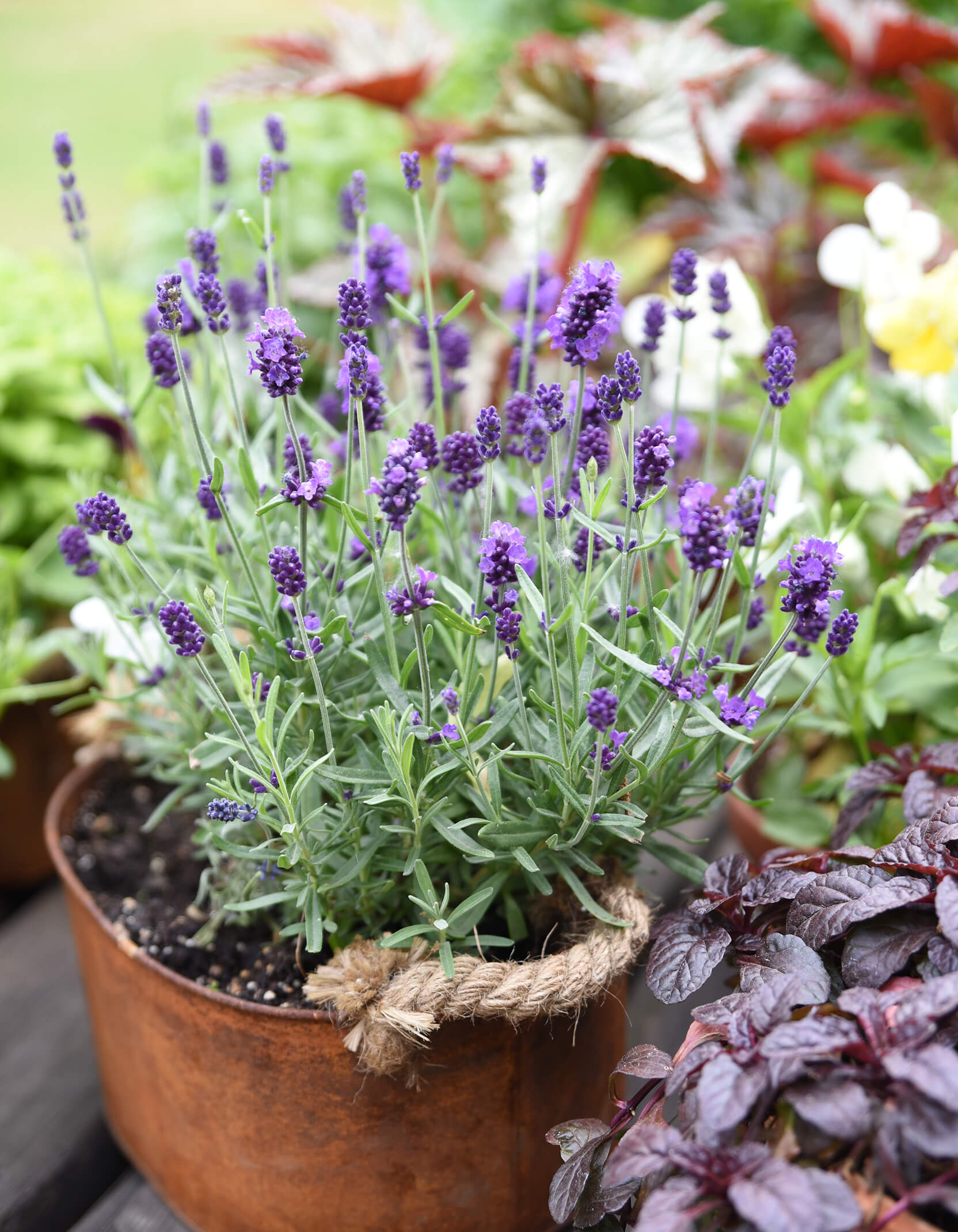
- Lavender: Lavender is a beautiful and fragrant herb that is also a natural mosquito repellent. It contains linalool, an essential oil that has been shown to be effective at deterring mosquitoes.
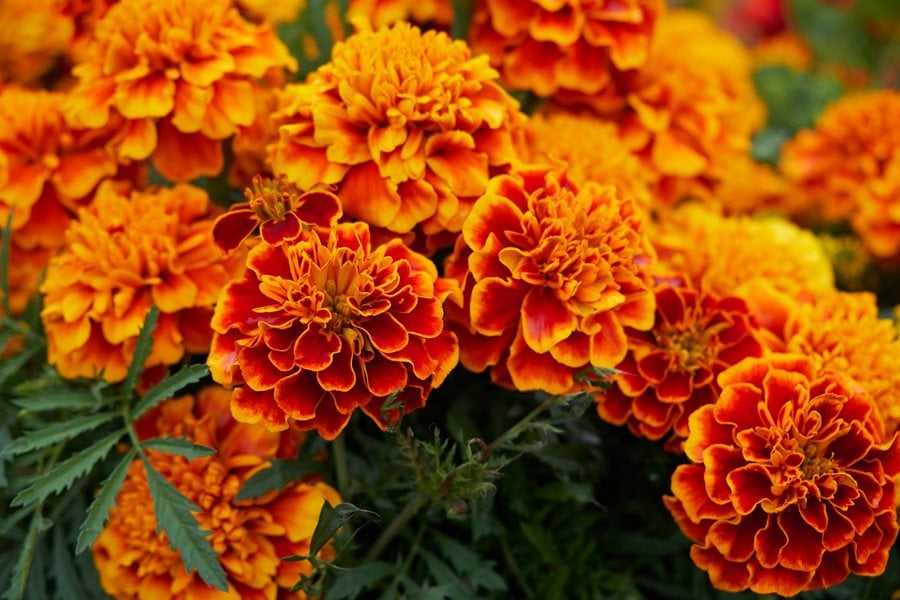
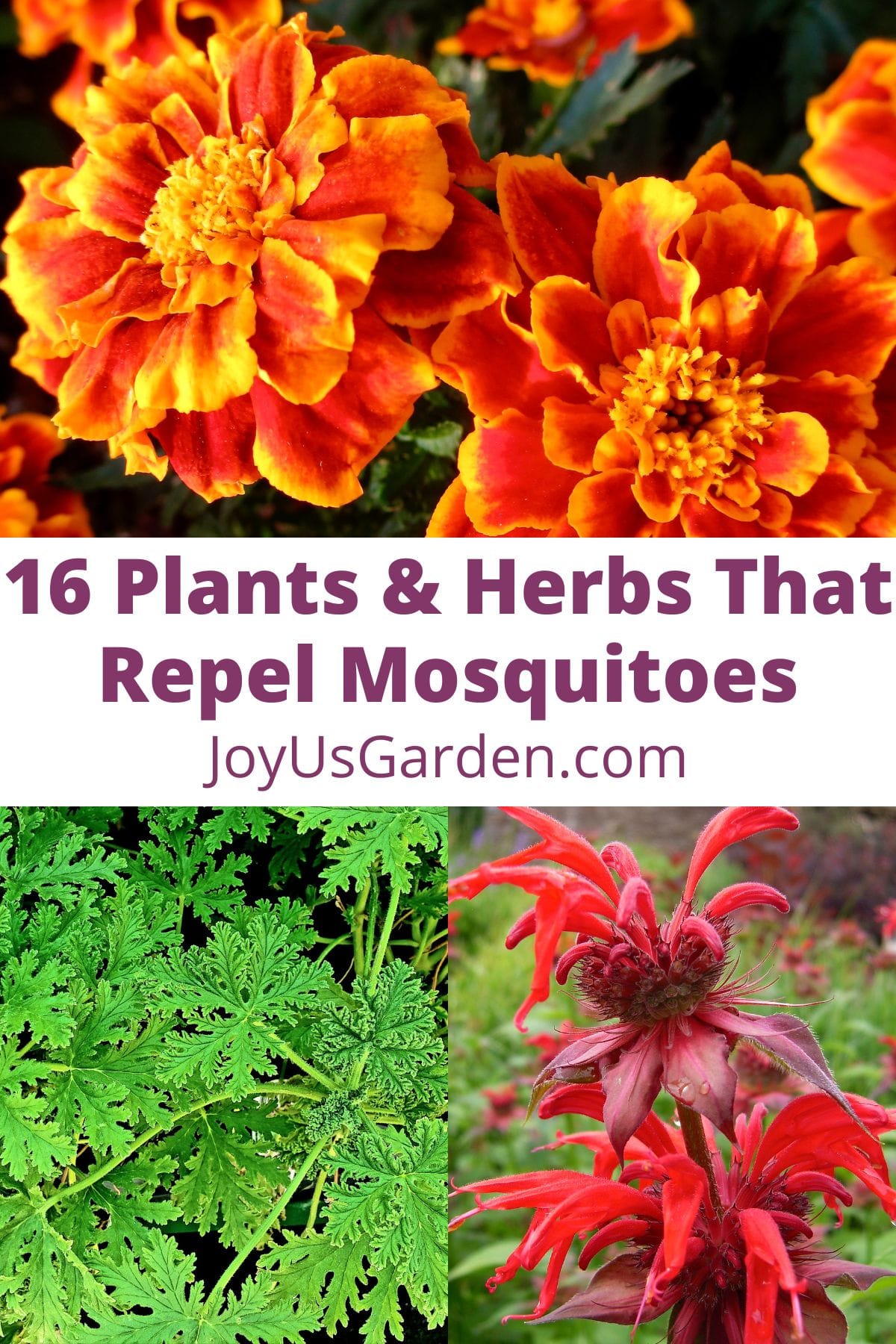
- Marigolds: Marigolds are another great choice for companion plants with citronella. They have a strong scent that mosquitoes find unpleasant, and they also help to attract beneficial insects like ladybugs and lacewings, which prey on mosquitoes.
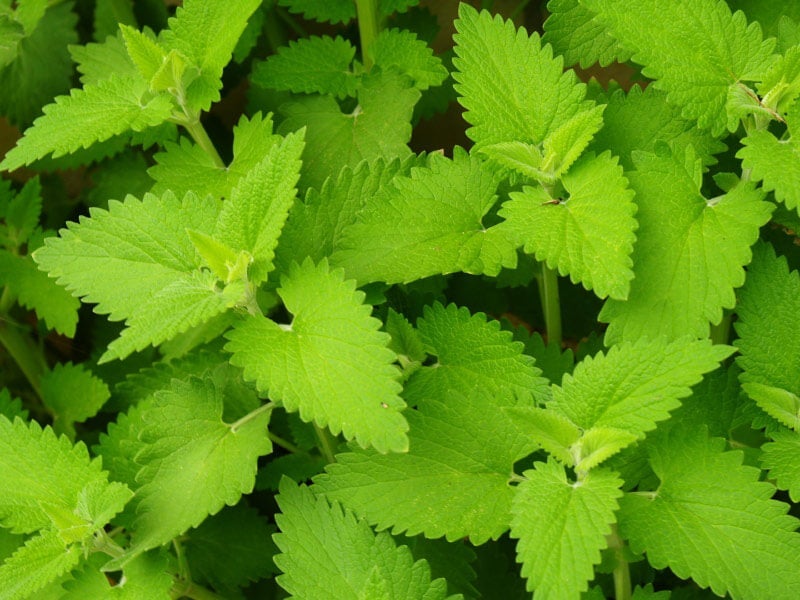
- Catnip: Catnip is a surprising choice for a mosquito repellent, but it actually works quite well. The scent of catnip is unpleasant to mosquitoes, and it can also help to attract other beneficial insects, like bees and butterflies.
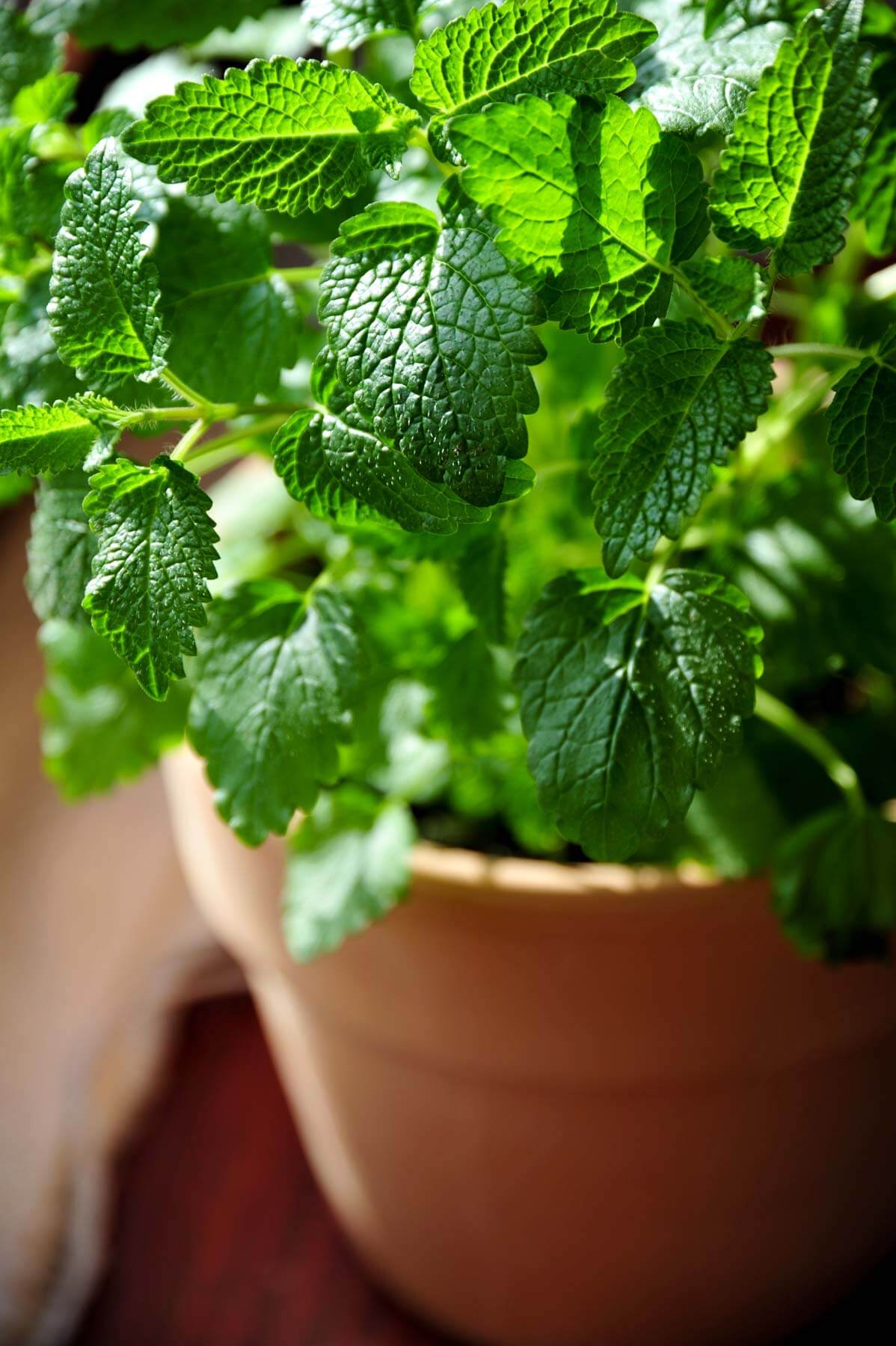
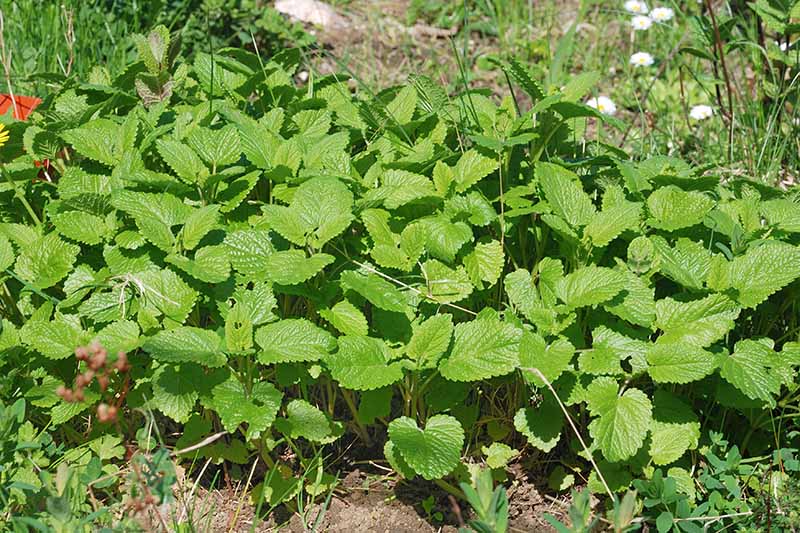
- Lemon balm: Lemon balm is a lemon-scented herb that is also a natural mosquito repellent. It contains citronella oil, as well as other essential oils that have been shown to be effective at deterring mosquitoes.
- Bee balm: Bee balm is a beautiful and fragrant herb that is also a natural mosquito repellent. It contains geraniol, an essential oil that has been shown to be effective at deterring mosquitoes.
- Thyme: Thyme is a versatile herb that can be used in cooking, but it also has mosquito-repelling properties. It contains thymol, an essential oil that has been shown to be effective at deterring mosquitoes.
- Rosemary: Rosemary is a fragrant herb that is also a natural mosquito repellent. It contains camphor, an essential oil that has been shown to be effective at deterring mosquitoes.

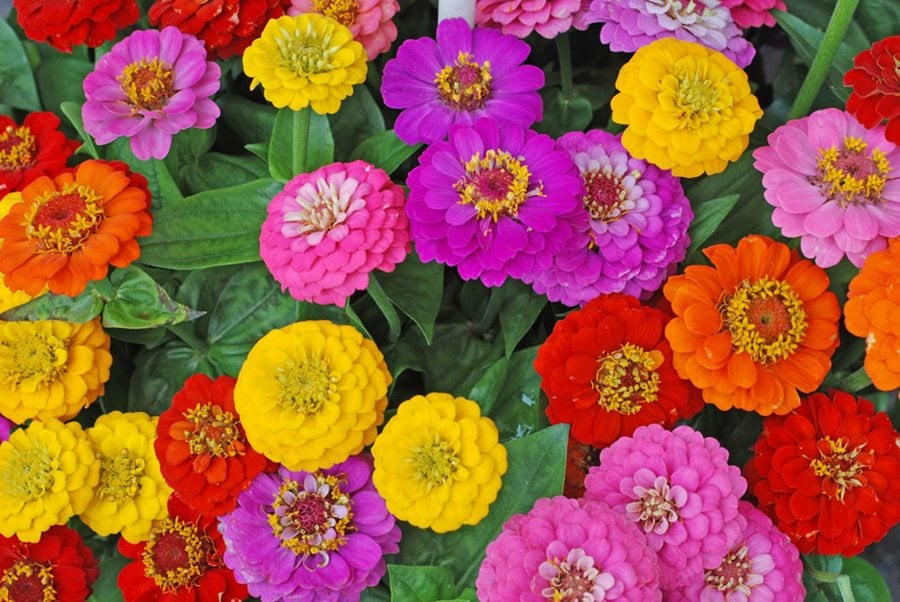
- Zinnia: Zinnias are colorful flowers that are also a natural mosquito repellent. They contain a compound called eugenol, which has been shown to be effective at deterring mosquitoes.
Conclusion
Planting companion plants with citronella is a great way to create a natural barrier that will help to keep mosquitoes away. The plants listed above are just a few of the many that can be used for this purpose. When choosing companion plants, it is important to consider the climate and the soil conditions in your area. You should also make sure that the plants you choose will complement each other's appearance.
With a little planning, you can create a beautiful and mosquito-free garden that will be enjoyed by you and your family for years to come.
Citronella is a popular plant for its mosquito-repelling properties. But did you know that there are other plants that can help to keep mosquitoes away when planted near citronella? These companion plants can help to create a natural mosquito repellent garden that is both beautiful and effective.
Some of the best companion plants for citronella include:
- Lavender
- Marigolds
- Catnip
- Lemon balm
- Bee balm
- Thyme
- Rosemary
- Zinnias
- Shrub roses
- Hibiscus
- Vinca
These plants all have strong scents that mosquitoes find unpleasant. They can also help to attract beneficial insects, such as ladybugs and lacewings, which prey on mosquitoes.
To create a natural mosquito repellent garden, plant your citronella plants with a few of these companion plants. You can plant them in the same bed, or you can plant them in separate containers. Just be sure to give them all plenty of sunlight and water.
For more information about companion plants for citronella, please visit Garden Wiki.
FAQ of companion plants for citronella
Question 1: What are the best companion plants for citronella?
Answer: Some of the best companion plants for citronella include:
- Lemongrass: Lemongrass is a tall, grassy plant that has a strong lemony scent that mosquitoes find repulsive. It is also a good source of nutrients, and can be used in cooking.

- Lavender: Lavender is a well-known insect repellent, and its sweet scent can also help to attract pollinators.
- Catnip: Catnip is another insect-repelling plant that has a strong minty scent. It is also a good companion plant for tomatoes, as it can help to deter pests.
- Marigolds: Marigolds are known for their bright orange and yellow flowers, but they also have insect-repelling properties. They are a good choice for companion planting with vegetables, as they can help to deter pests such as aphids and whiteflies.
- Basil: Basil is a flavorful herb that has a strong, pungent scent that mosquitoes find repulsive. It is also a good companion plant for tomatoes, as it can help to improve their flavor.
Question 2: How do companion plants help citronella?
Answer: Companion plants help citronella in a few ways. First, they can help to deter mosquitoes. The strong scents of these plants can mask the scent of citronella, making it less attractive to mosquitoes. Second, companion plants can help to improve the growth and health of citronella. By providing shade, nutrients, and moisture, companion plants can help citronella to thrive.
Question 3: What are the best growing conditions for citronella?
Answer: Citronella prefers full sun or partial shade, and well-drained soil. It is a relatively drought-tolerant plant, but it will benefit from regular watering during the summer months. Citronella is hardy in USDA zones 9-11, but it can also be grown indoors in a pot.
Question 4: How far apart should citronella plants be planted?
Answer: Citronella plants should be planted about 1-2 feet apart. This will give them enough space to grow and spread. If you are planting citronella in a pot, choose a pot that is at least 18 inches in diameter.
Question 5: How do I propagate citronella plants?
Answer: Citronella plants can be propagated from seed or cuttings. To propagate from seed, sow the seeds in a pot of well-drained soil. The seeds will germinate in about 2-4 weeks. To propagate from cuttings, take a 6-inch cutting from a healthy plant and remove the bottom leaves. Dip the cutting in rooting hormone and plant it in a pot of well-drained soil. The cutting will root in about 4-6 weeks.
Image of companion plants for citronella
5 different images of companion plants for citronella from Pinterest:
- Lavender: Lavender is a popular companion plant for citronella because it also has insect-repelling properties. It is a beautiful and fragrant plant that can add a touch of elegance to any garden.
- Marigold: Marigolds are another great companion plant for citronella. They are not only attractive, but they also help to repel mosquitoes and other pests.
- Catnip: Catnip is a fun and easy-to-grow plant that is also a good companion for citronella. It is said to attract cats, but it also has insect-repelling properties.
- Lemon balm: Lemon balm is a versatile herb that can be used in cooking, tea, or as an insect repellent. It is a good companion for citronella because it helps to deter pests and attracts beneficial insects.
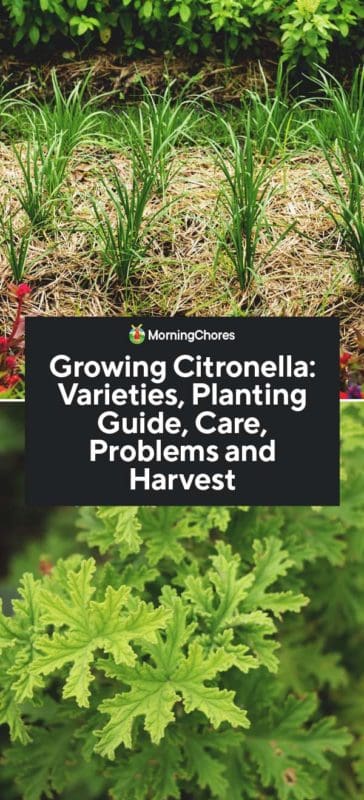
- Zinnia: Zinnias are a colorful and cheerful addition to any garden. They also have insect-repelling properties, making them a good companion for citronella.


Post a Comment for " Best Companion Plants For Citronella To Keep Mosquitoes Away"