The Best Companion Plants For Green Beans
Title: The Best Companion Plants for Green Beans
Introduction:
Green beans are a delicious and versatile vegetable that can be enjoyed in many different ways. They are also a relatively easy crop to grow, making them a great option for home gardeners.
One way to improve the growth and health of your green bean plants is to plant them with companion plants. Companion plants are those that benefit each other when they are grown together. They can help to improve the soil, attract beneficial insects, and deter pests.
In this blog post, we will discuss some of the best companion plants for green beans. We will also provide some tips on how to plant them together for the best results.
Main Content:
Benefits of companion planting:
There are many benefits to companion planting. Some of the most common benefits include:
- Improved soil quality: Companion plants can help to improve the soil quality by adding nutrients, breaking up compaction, and attracting beneficial microbes.
- Attraction of beneficial insects: Many companion plants attract beneficial insects, such as ladybugs, lacewings, and parasitic wasps. These insects help to control pests that can damage your green bean plants.
- Deterrent of pests: Some companion plants can deter pests, such as aphids, beetles, and nematodes.
- Increased yields: Companion planting can help to increase the yields of your green bean plants.
Best companion plants for green beans:
Some of the best companion plants for green beans include:
- Basil: Basil is a great companion plant for green beans because it helps to repel pests, such as aphids and mosquitoes. It also improves the flavor of the beans.
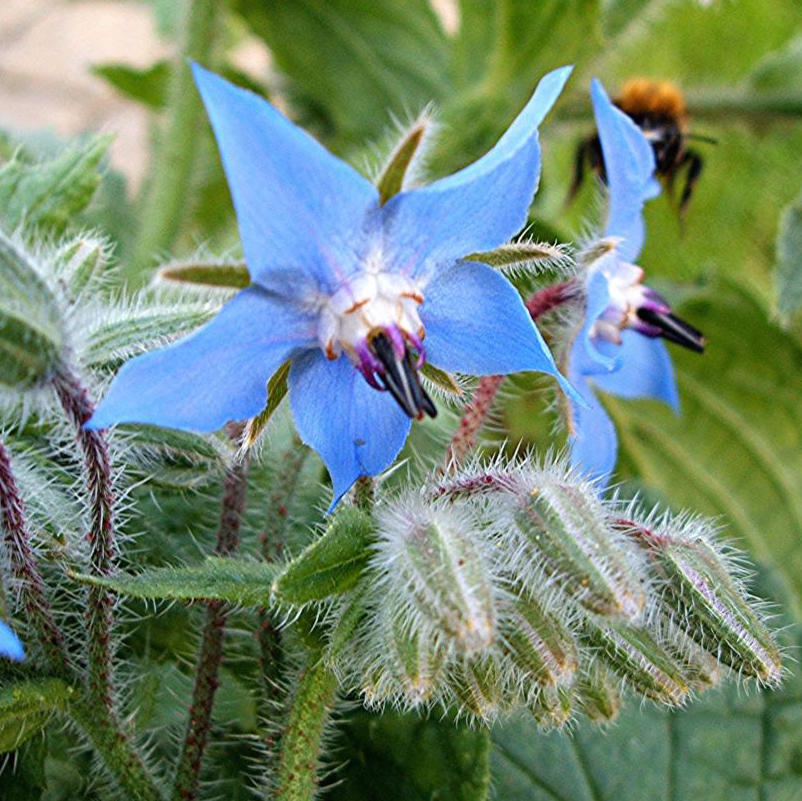
- Borage: Borage is another great companion plant for green beans. It attracts beneficial insects, such as ladybugs and bees. It also helps to improve the flavor of the beans.
- Cucumbers: Cucumbers and green beans are often grown together because they benefit each other. Cucumbers help to shade the roots of the green beans, which helps to keep them cool. Green beans help to improve the soil structure, which benefits the cucumbers.

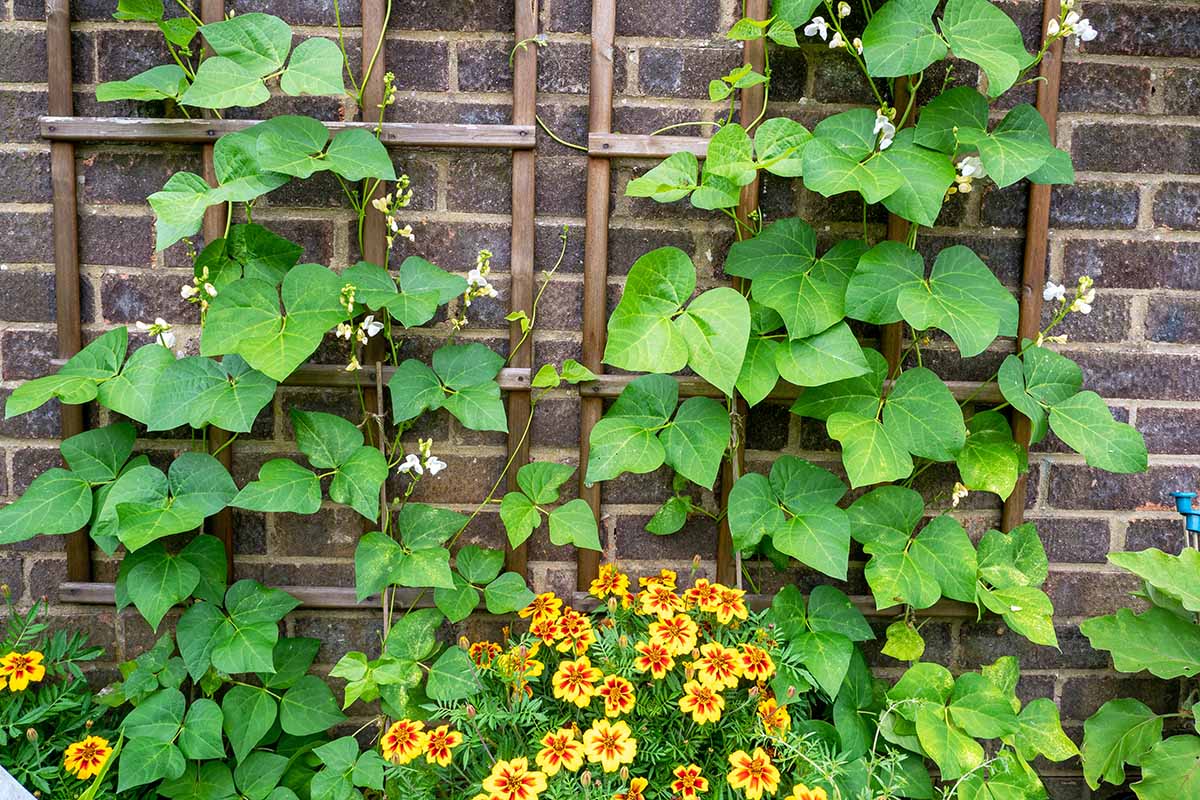
- Marigolds: Marigolds are a great companion plant for many vegetables, including green beans. They help to repel pests, such as aphids and beetles. They also help to improve the soil quality.

- Nasturtiums: Nasturtiums are another great companion plant for green beans. They help to repel pests, such as aphids and beetles. They also help to improve the soil quality.

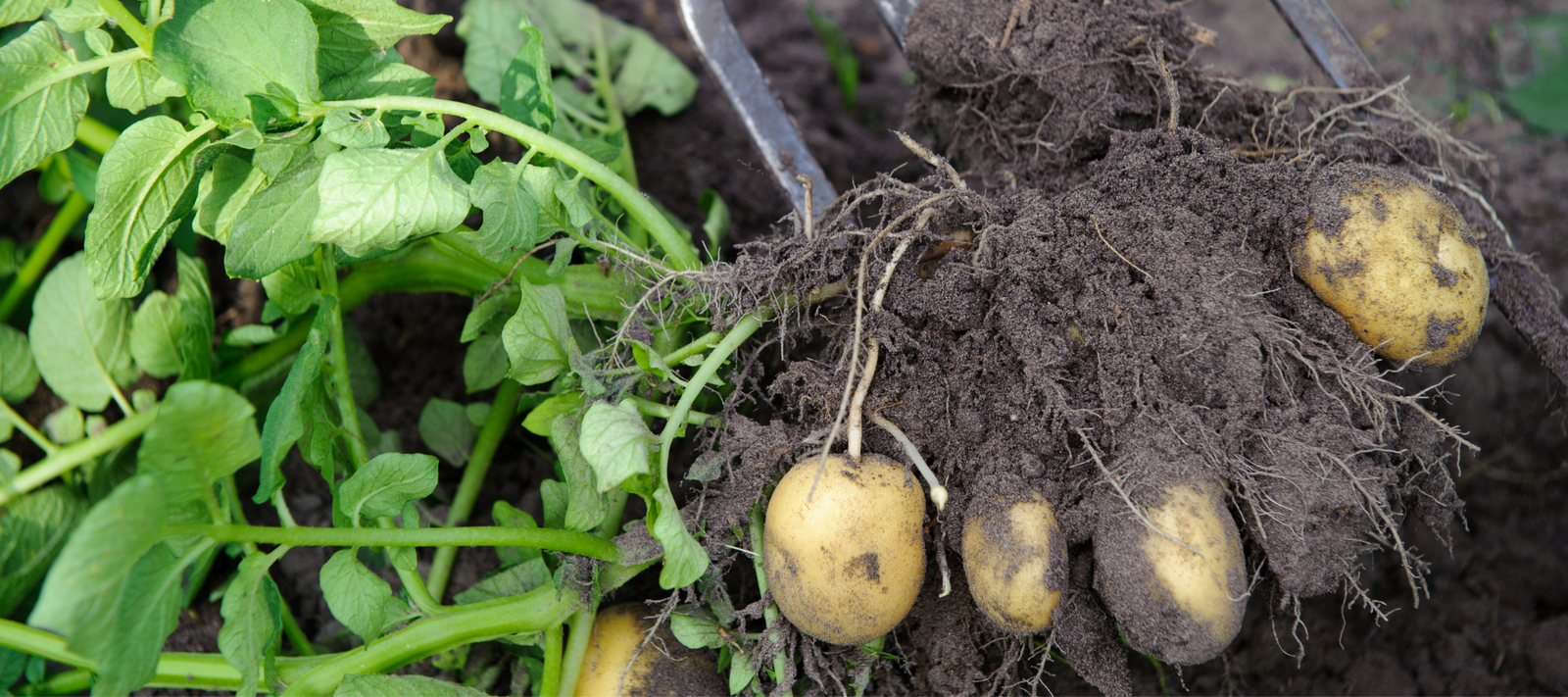
- Potatoes: Potatoes and green beans are often grown together as part of the Three Sisters planting method. This method is a traditional Native American method of companion planting that has been used for centuries. The three plants benefit each other by providing shade, nutrients, and pest control.
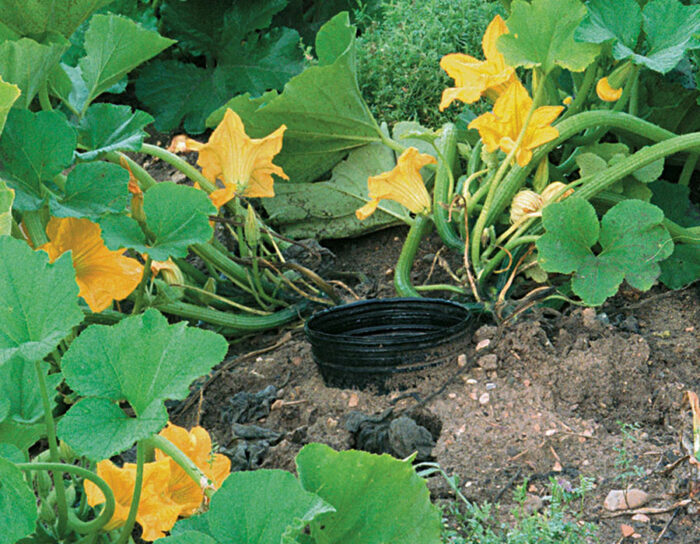
- Squash: Squash and green beans can be grown together as long as the squash is a bush variety. The squash will help to shade the roots of the green beans, which helps to keep them cool. Green beans help to improve the soil structure, which benefits the squash.
Tips for planting companion plants with green beans:
When planting companion plants with green beans, there are a few things to keep in mind:
- Choose the right companions: Not all plants are compatible with each other. Be sure to choose companion plants that will benefit each other.
- Plant them in the right place: Companion plants should be planted in the right place so that they can benefit each other. For example, cucumbers should be planted on the north side of green beans so that they can shade the roots of the green beans.
- Space them properly: Companion plants should be spaced properly so that they have enough room to grow.
- Water them regularly: Companion plants need to be watered regularly, just like any other plant.
Conclusion:
Companion planting is a great way to improve the growth and health of your green bean plants. By planting them with the right companion plants, you can help to improve the soil quality, attract beneficial insects, and deter pests. This will help you to enjoy a bountiful harvest of delicious green beans.
Here are some of the best companion plants for green beans:
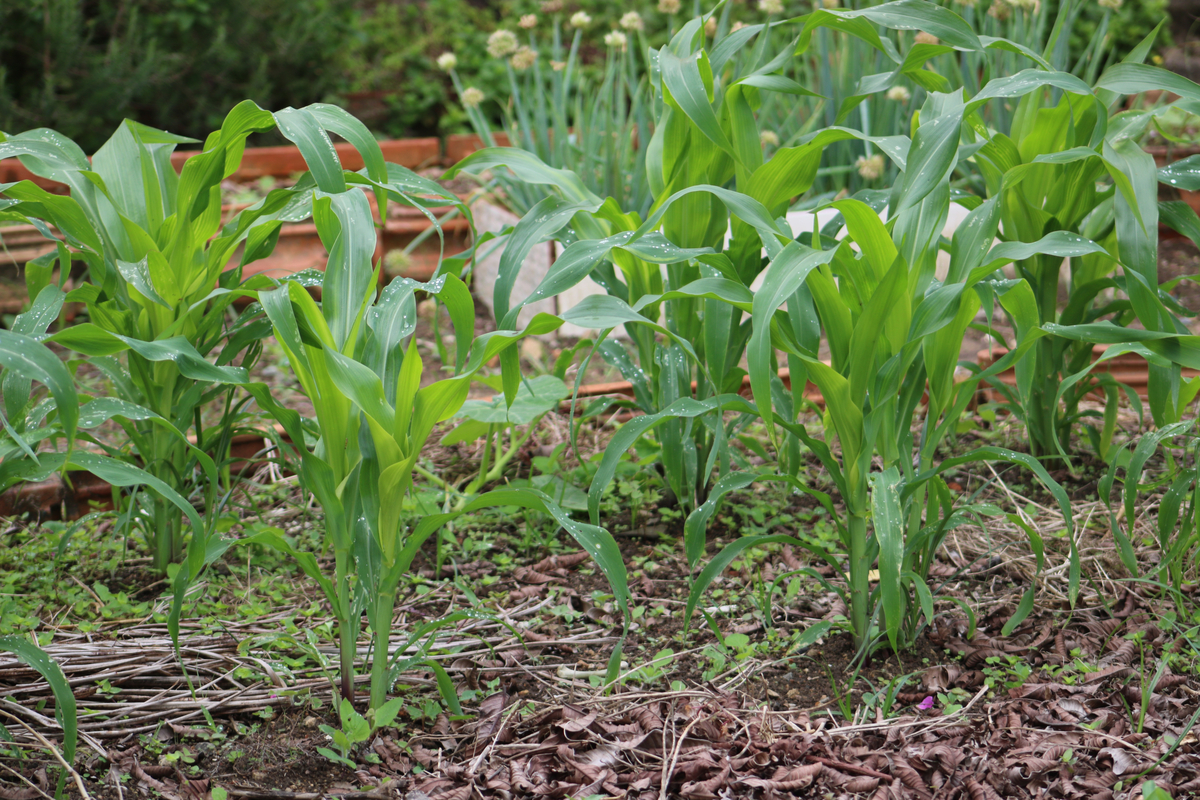
- Corn: Corn provides shade for bush beans, which can help them to stay cool and prevent them from bolting.
- Cucumbers: Cucumbers and green beans both appreciate moist soil, so they can help each other to thrive.
- Marigolds: Marigolds help to repel pests, such as Mexican bean beetles, from green beans.
- Nasturtiums: Nasturtiums also help to repel pests, and they can also attract beneficial insects that help to pollinate the green beans.
- Potatoes: Potatoes and green beans have a symbiotic relationship, meaning that they help each other to grow better.
For more information about the best companion plants for green beans, please visit Home Gardening.
FAQ of best companion plants for green beans
- What are the best companion plants for green beans?
Some of the best companion plants for green beans include:
Corn: Corn provides a trellis for pole beans to climb, and the beans help to improve the nitrogen levels in the soil for the corn.
Cucumbers: Cucumbers and green beans have similar growing requirements, and they can help to shade each other from the sun.
Marigolds: Marigolds help to repel pests, such as Mexican bean beetles, from green beans.
Nasturtiums: Nasturtiums also help to repel pests, and they can also attract beneficial insects, such as ladybugs.
Potatoes: Potatoes and green beans can help to repel each other's pests.
What plants should not be planted near green beans?
Some plants that should not be planted near green beans include:
Alliums: Alliums, such as onions, garlic, and leeks, can stunt the growth of green beans.
Peppers: Peppers can compete with green beans for nutrients and water.
Wormwood: Wormwood can inhibit the growth of green beans.
How do companion plants benefit green beans?
Companion plants can benefit green beans in a number of ways, including:
Attracting beneficial insects: Some companion plants, such as marigolds and nasturtiums, attract beneficial insects, such as ladybugs, which help to control pests.
Improving soil quality: Some companion plants, such as legumes, fix nitrogen in the soil, which can benefit the growth of green beans.
Providing shade: Some companion plants, such as cucumbers, can provide shade for green beans, which can help to protect them from the sun.
Distracting pests: Some companion plants, such as decoy plants, can distract pests from green beans.
How do I choose the best companion plants for my green beans?
When choosing companion plants for green beans, it is important to consider the following factors:
- The growing conditions: Some companion plants have specific growing conditions, such as sun exposure or soil type, that need to be met.
- The pests and diseases that are common in your area: Some companion plants can help to repel or control pests and diseases that are common in your area.
- The aesthetic appeal: If you are growing green beans for their edible pods, you may also want to consider companion plants that are visually appealing.
Image of best companion plants for green beans
- Basil. Basil is a classic companion plant for green beans, and for good reason. It helps to repel pests such as aphids, whiteflies, and mosquitoes, and it also attracts pollinators such as bees and butterflies.
- Cabbage. Cabbage is another great companion plant for green beans. It helps to suppress weeds and pests, and it also provides shade for the beans, which can help to prevent sunscald.
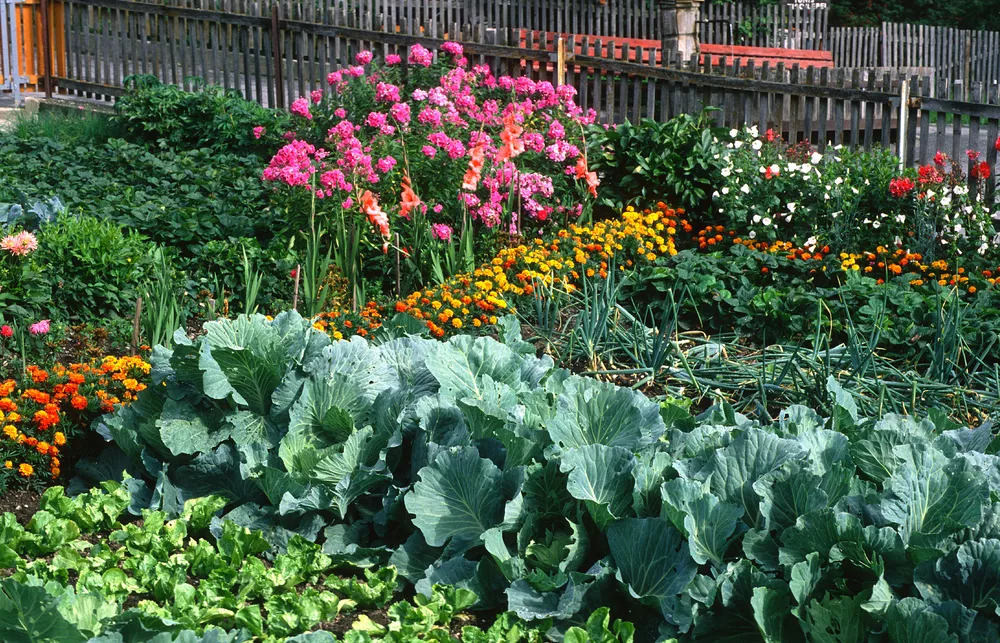
- Carrots. Carrots and green beans are a great combination because they have different nutrient needs. Carrots prefer a cooler, moister soil, while green beans prefer a warmer, drier soil. This means that they won't compete for resources, and they can actually help each other to grow better.
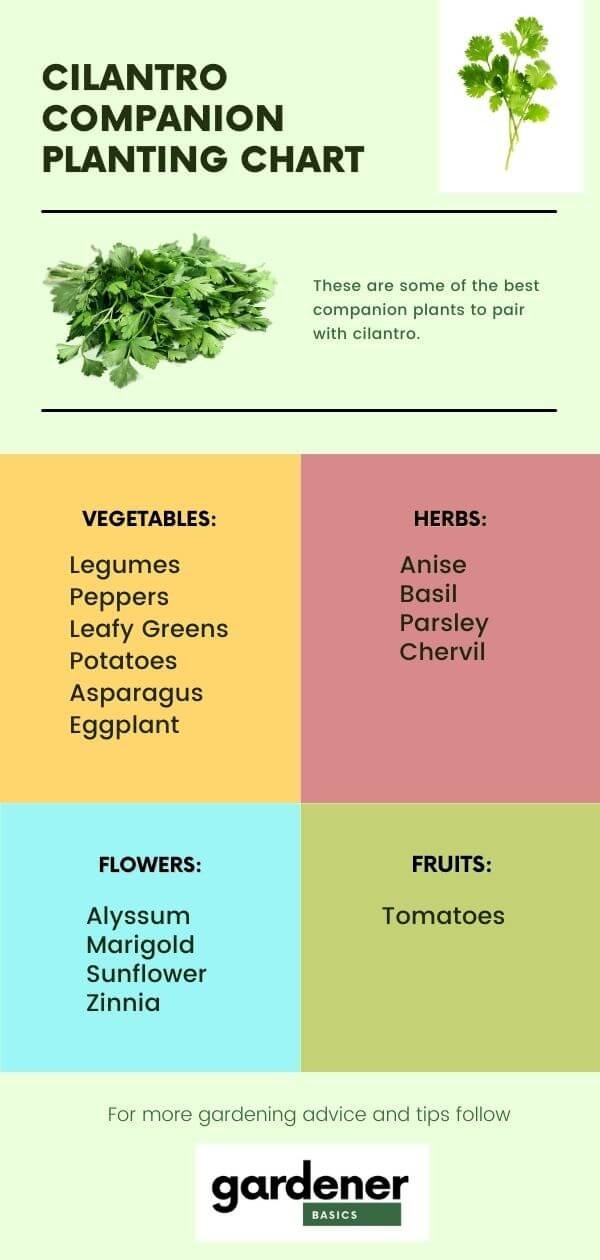
- Cilantro. Cilantro is a great companion plant for green beans because it helps to repel pests such as aphids and spider mites. It also helps to improve the flavor of the beans.
- Clover. Clover is a nitrogen-fixing plant, which means that it can help to improve the soil quality for the green beans. It also helps to suppress weeds, and it provides a habitat for beneficial insects.
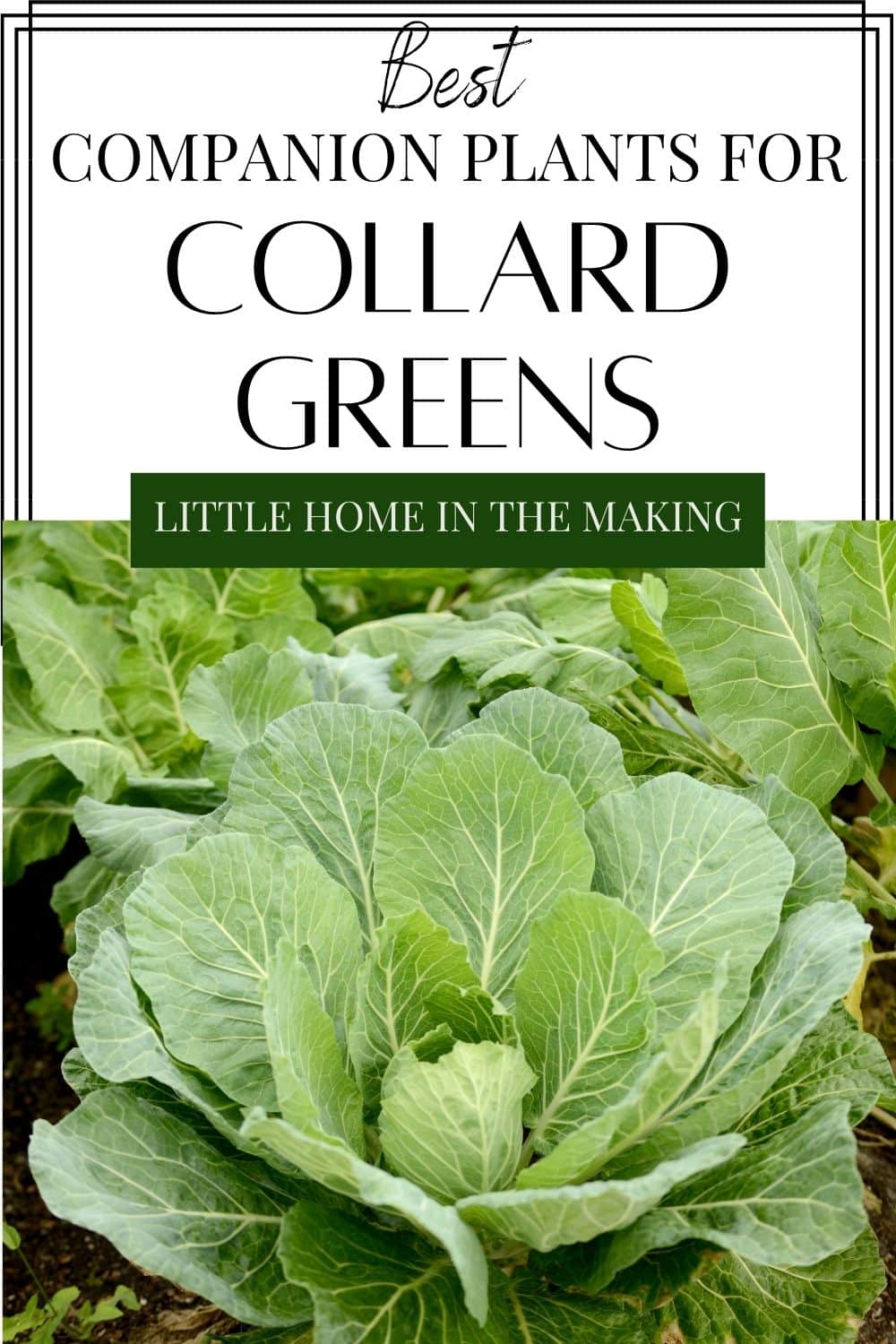
- Collard greens. Collard greens are a great companion plant for green beans because they have similar growing requirements. They both prefer full sun and well-drained soil. Collard greens can also help to suppress weeds and pests.
- Corn. Corn is a great companion plant for green beans because it provides a trellis for the beans to climb. Corn also helps to shade the beans, which can help to prevent sunscald.
- Nasturtiums. Nasturtiums are a great companion plant for green beans because they help to repel pests such as aphids, whiteflies, and beetles. They also attract beneficial insects, such as ladybugs and hoverflies.
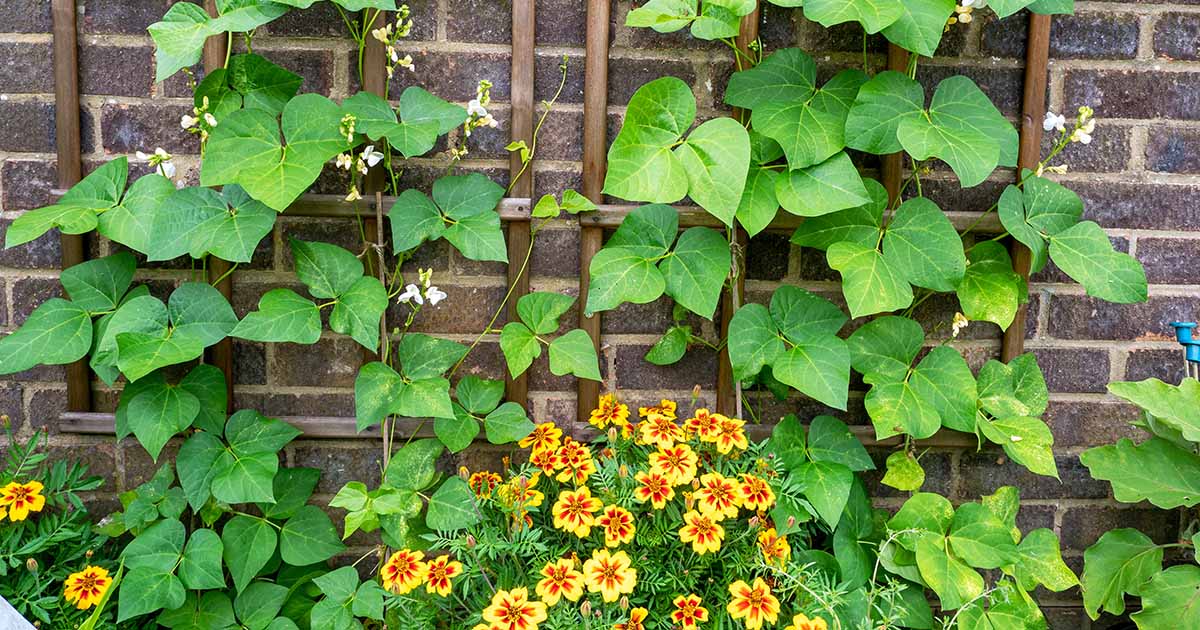
- Marigolds. Marigolds are another great companion plant for green beans because they help to repel pests such as aphids, whiteflies, and nematodes. They also attract beneficial insects, such as ladybugs and hoverflies.
Post a Comment for "The Best Companion Plants For Green Beans"